
Can Uncontrolled Type 2 Diabetes Sabotage a Fresh Full-Arch Implant Inversion?
Uncontrolled type 2 diabetes can reduce the success of all-on-four dental implants by slowing healing, increasing the risk of infection, and making it harder for dental implants to integrate with the jawbone. Many people with diabetes can still be good candidates for treatment, but achieving stable blood sugar levels before surgery and following careful post-operative instructions can significantly improve the likelihood of a successful outcome.
According to the CDC, more than 40 million Americans have diabetes, and about 90% to 95% of them have type 2 diabetes, making blood sugar management an important consideration for many people planning oral surgery.
Careful treatment planning, medical coordination, and good glucose control can help reduce complications and support a healthier recovery after implant surgery.
What Are Full-Arch Implant Inversions?
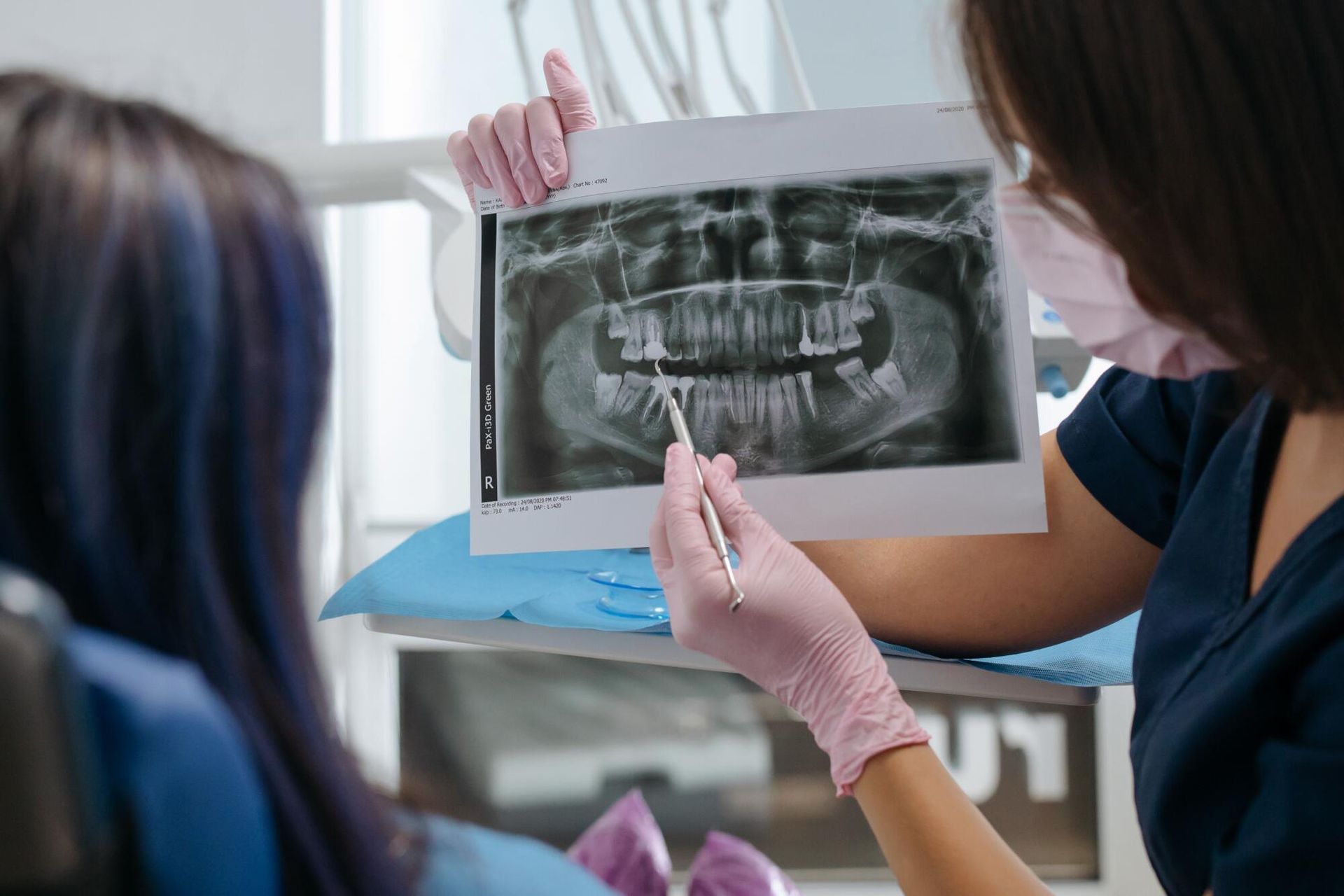
Full-arch implant inversions involve placing dental implants into the jawbone to support a full set of prosthetic teeth. This innovative technique is beneficial for individuals who are missing all of their teeth or have significant dental decay.
However, meticulous planning and adherence to post-operative care are vital, especially for patients with diabetes. Your dentist in Christiansburg, VA will conduct thorough evaluations to determine the best course of action tailored to your health.
Why Diabetics Face More Risks During Surgery
Type 2 diabetes increases the risk of complications during dental surgeries. Here are some key aspects to consider:
- Impaired Blood Circulation: High glucose levels can damage blood vessels, reducing blood flow to the gums
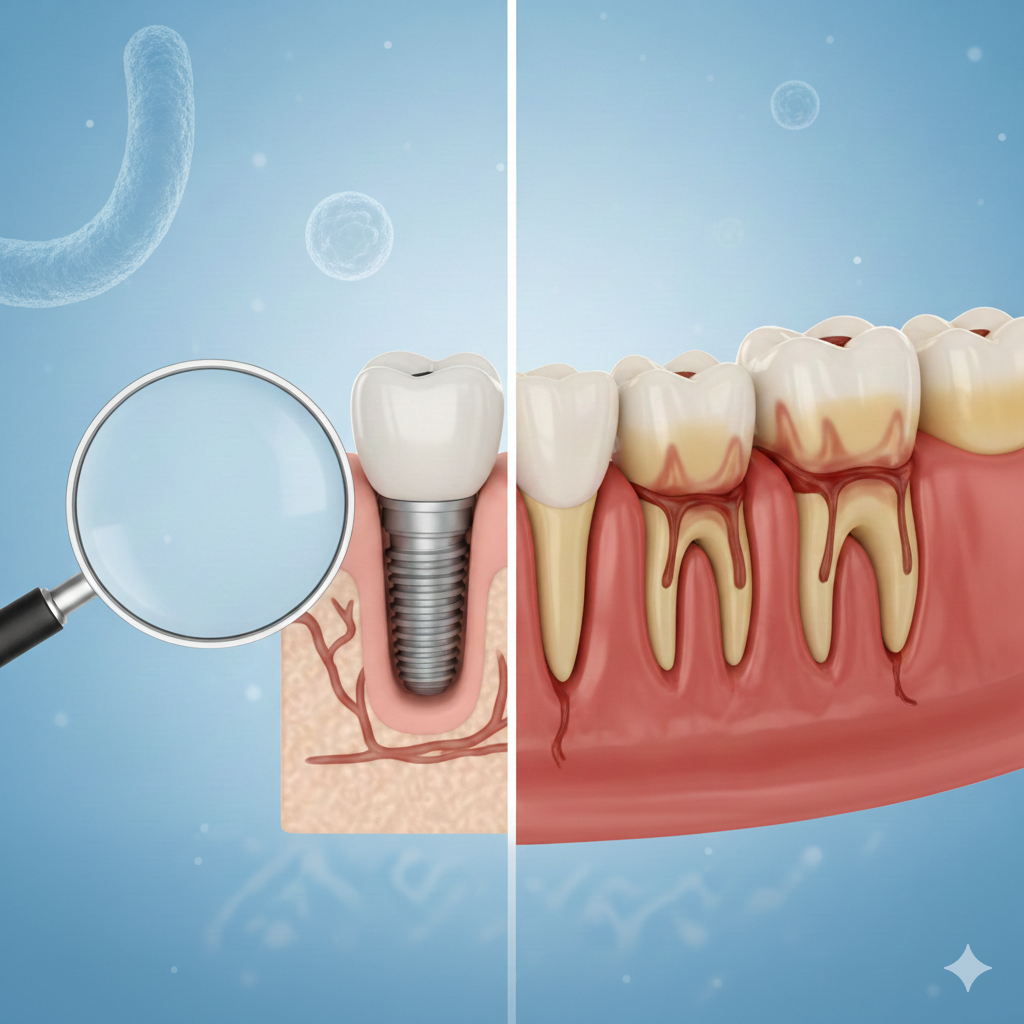
- Increased Infection Risk: Elevated sugar levels create an environment conducive to bacteria, which can lead to infections
- Delayed Healing: Poorly controlled diabetes can slow the healing process, prolonging recovery time
- Higher Failure Rates: Studies indicate that dental implants have a higher failure rate in diabetic patients due to poor healing conditions
These concerns are closely tied to increased risks of dental infections and slower bone healing, both of which can affect the long-term stability of dental implants.
How to Prepare for Surgery if You Have Diabetes
Preparation is crucial for ensuring a successful dental implant procedure. Here are some tips for people with diabetes:
- Consult with Your Healthcare Providers: Work closely with your physician and dentist to formulate a management plan
- Monitor Blood Sugar Levels: Keep your blood sugar within a target range leading up to the surgery
- Follow Dietary Recommendations: Implement a diet that aids in blood sugar control
- Maintain Good Oral Hygiene: Practice meticulous oral hygiene to reduce infection risk
Your dentist or physician may recommend checking your HbA1c, a marker of surgical success, before treatment, as well-controlled blood sugar is associated with more predictable healing and implant outcomes.
All On Four Dental Implants
With proper planning, many patients achieve lasting success with all-on-four dental implants while protecting both their oral health and overall well-being.
Do not let uncontrolled diabetes obstruct your path to a new smile! At NRV Dentist, we offer personalized care and the latest treatment advancements to help you achieve your dental goals. With years of experience addressing challenges like yours, we are dedicated to helping you restore not just your teeth but also your confidence.
Schedule your consultation today!